
The Thrill of Uncertainty
Casino gambling thrives on the allure of unpredictability, which captivates many players. This thrill is rooted in the psychological concept of risk-taking, where the anticipation of potential rewards can overshadow the fear of loss. Many individuals find themselves drawn to the possibility of hitting it big, driven by the excitement that comes from not knowing the outcome. The dopamine rush accompanying this uncertainty can create a powerful motivation to gamble, leading players to engage in riskier behaviors. In fact, the rise of non-gamstop casinos has been a notable trend among those looking for alternatives.
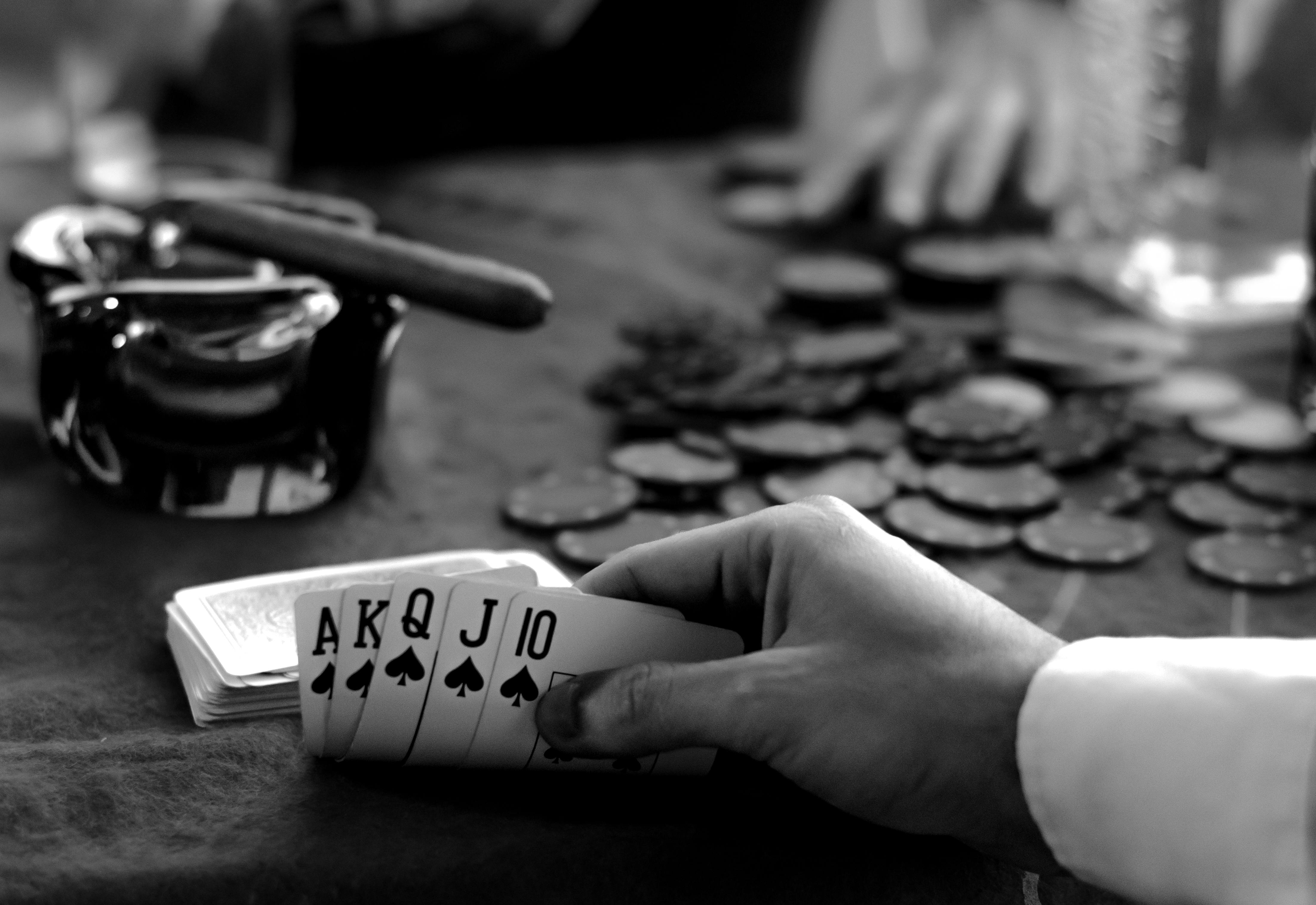
This draw to uncertainty is not just about money; it also encompasses the excitement of the game itself. Whether it’s spinning the reels of a slot machine or playing poker against skilled opponents, the journey of gambling can be intoxicating. For some, the enjoyment stems from the sheer excitement of taking chances, while others may seek an escape from daily life, making the thrill of gambling even more appealing.
The Role of Cognitive Biases
Cognitive biases significantly influence how players perceive risks in a casino environment. One common bias is the “gambler’s fallacy,” where individuals believe that past outcomes can influence future events. For example, a player may think that a slot machine is “due” for a win after a series of losses, leading them to increase their bets despite the reality that each spin is independent. This flawed thinking can drive players to take greater risks, fueling the cycle of gambling.
Additionally, the illusion of control plays a significant role in risk-taking behavior. Many gamblers feel they can influence their luck through strategies or rituals, such as choosing specific numbers or playing in a certain manner. This belief can embolden players to gamble more, as they convince themselves that their actions can lead to favorable outcomes, despite the odds being fundamentally against them.
The Impact of Social Factors
Social dynamics within casinos also contribute to the psychology of gambling. For many players, the environment is filled with excitement and camaraderie, which can encourage risk-taking. Observing others winning can create a sense of belonging and foster a competitive spirit, prompting individuals to chase losses or increase their stakes to keep up with their peers. This social reinforcement can lead to heightened risk-taking behaviors as players seek validation and excitement from their surroundings.
Moreover, the presence of promotional incentives, such as free drinks or loyalty rewards, can further exacerbate the urge to gamble. These factors create an enticing atmosphere where players are more likely to make impulsive decisions, often overlooking the potential consequences of their actions while engrossed in the social experience of the casino.
The Allure of Escapism
For many individuals, casino gambling serves as an escape from the monotony of everyday life. Engaging in gambling offers a break from reality, allowing players to immerse themselves in a world filled with excitement and potential rewards. This desire for escapism can amplify the thrill-seeking behavior, as players chase the adrenaline rush akin to seeking adventure in other aspects of their lives.
This need for a temporary release can lead to risky gambling habits, as individuals may prioritize the short-term thrills over long-term consequences. The ability to detach from everyday stressors while gambling can make the experience even more appealing, encouraging players to take risks they might not consider in other contexts. Unfortunately, this escapism can also mask underlying issues, leading to problematic gambling behaviors for some.

Understanding the Implications of Gambling Psychology
Understanding the psychological motivations behind gambling can help players recognize their behaviors and make informed decisions. Being aware of the risks and cognitive biases can empower individuals to approach gambling more mindfully, balancing the desire for thrill with responsible gambling practices. Recognizing the social influences and the allure of escapism can also aid in developing healthier relationships with gambling.
Ultimately, while the thrill of casino gambling can be exhilarating, it is essential to approach it with caution and awareness. The psychology behind risk-taking in gambling is complex, but understanding these factors can lead to more enjoyable and responsible gaming experiences.